
Organized Project Oversight
Construction Management in Milton WV
Get help organizing the details of your construction project. Get a Free Estimate
Organized Project Oversight
Get help organizing the details of your construction project. Get a Free Estimate
Construction projects can become complicated when several trades, material deliveries, inspections, and decisions must come together. Construction management provides an organized framework for tracking these moving parts. General Contractor Milton WV focuses on helping property owners understand project responsibilities, scheduling needs, and the decisions that affect progress.
From smaller improvement projects to more involved residential or commercial construction, effective management begins with clear documentation and realistic expectations. A schedule should reflect the work required, while budget tracking and communication should help identify concerns before they become larger problems.
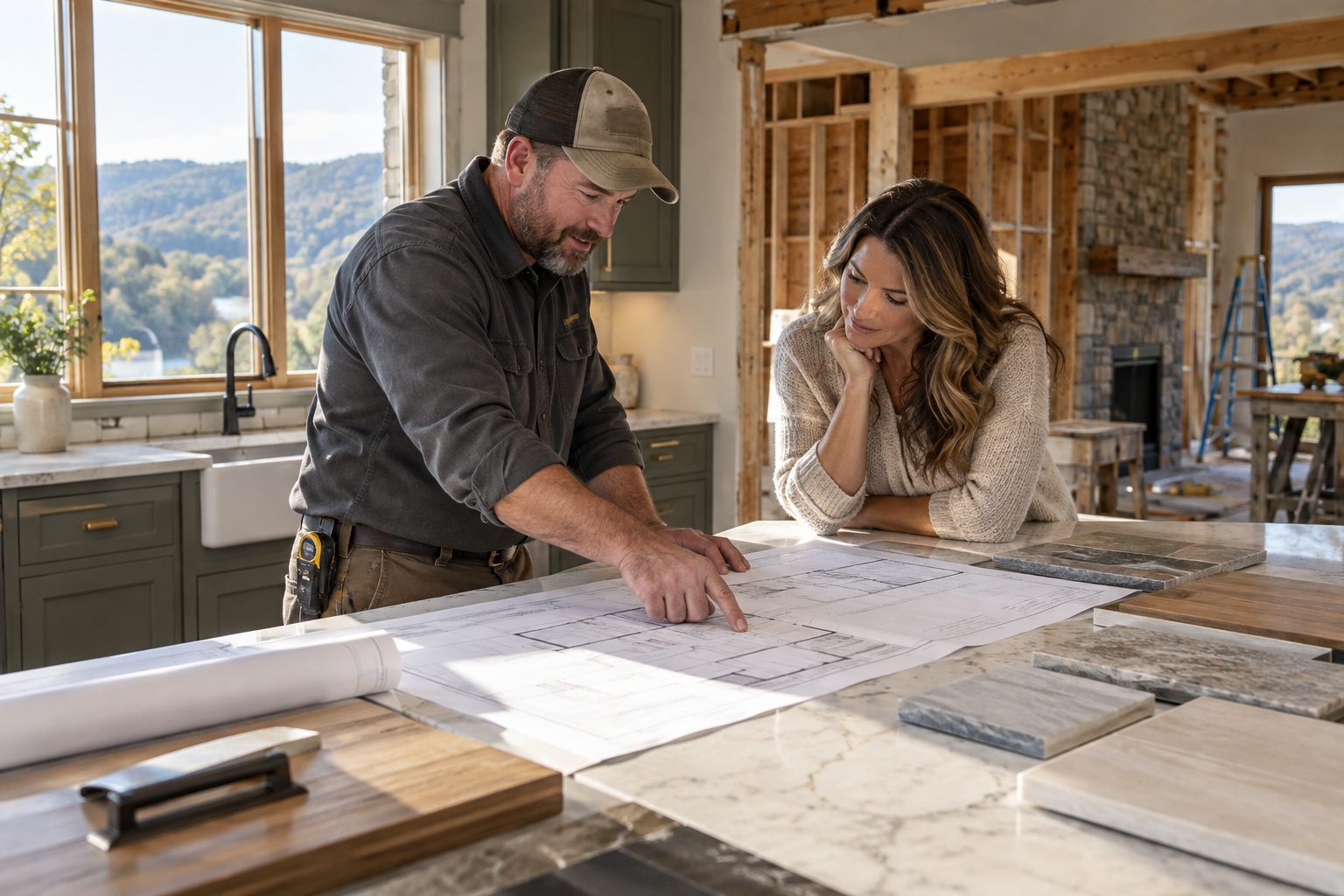
Construction management is about maintaining visibility and coordination throughout a project. The specific responsibilities depend on the management agreement, but the overall purpose is to connect planning, resources, trades, schedules, and owner decisions. Consistent documentation is especially important when unexpected site conditions or changes affect the original plan.
Planning establishes the project's goals, responsibilities, milestones, and major requirements. This may involve reviewing drawings, identifying dependencies, and organizing the sequence of construction activities. A practical plan gives everyone involved a clearer understanding of what needs to happen.
Construction activities rarely happen independently. One trade may need to complete work before another can begin. Schedule coordination considers these relationships alongside material availability, inspections, weather, and site access. The goal is to maintain a realistic sequence rather than promise dates that conditions cannot support.
Budget oversight involves comparing planned costs with known commitments and approved changes. Clear records help owners understand how decisions affect the financial picture. Construction management cannot guarantee a fixed final cost when conditions change, but it can support better visibility and decision-making.
Different contractors and suppliers need timely information to perform their work. Coordinating responsibilities, delivery needs, access, and work areas helps reduce misunderstandings. Clear communication also supports accountability for assigned tasks.
Project reviews help compare completed activities with the agreed scope and schedule. Identified concerns can be documented and directed to the responsible party. Required inspections and professional reviews remain the responsibility of the appropriate authorities or qualified professionals.
Changes may arise from owner preferences, material availability, or unexpected property conditions. A structured change process helps explain the work involved, possible cost effects, and scheduling implications before decisions are finalized.
| Service | Estimated Cost | Average |
|---|---|---|
| Planning Consultation | Scope-dependent | Varies by project |
| Residential Project Management | Project-specific estimate | Varies by duration |
| Commercial Project Management | Project-specific estimate | Varies by complexity |
| Multi-Trade Coordination | Project-specific estimate | Varies by responsibilities |
Management fees may be structured differently depending on the agreement, duration, project value, and responsibilities. No standard fee or local average is represented here.
Clear documentation supports better decisions and reduces confusion about project responsibilities.
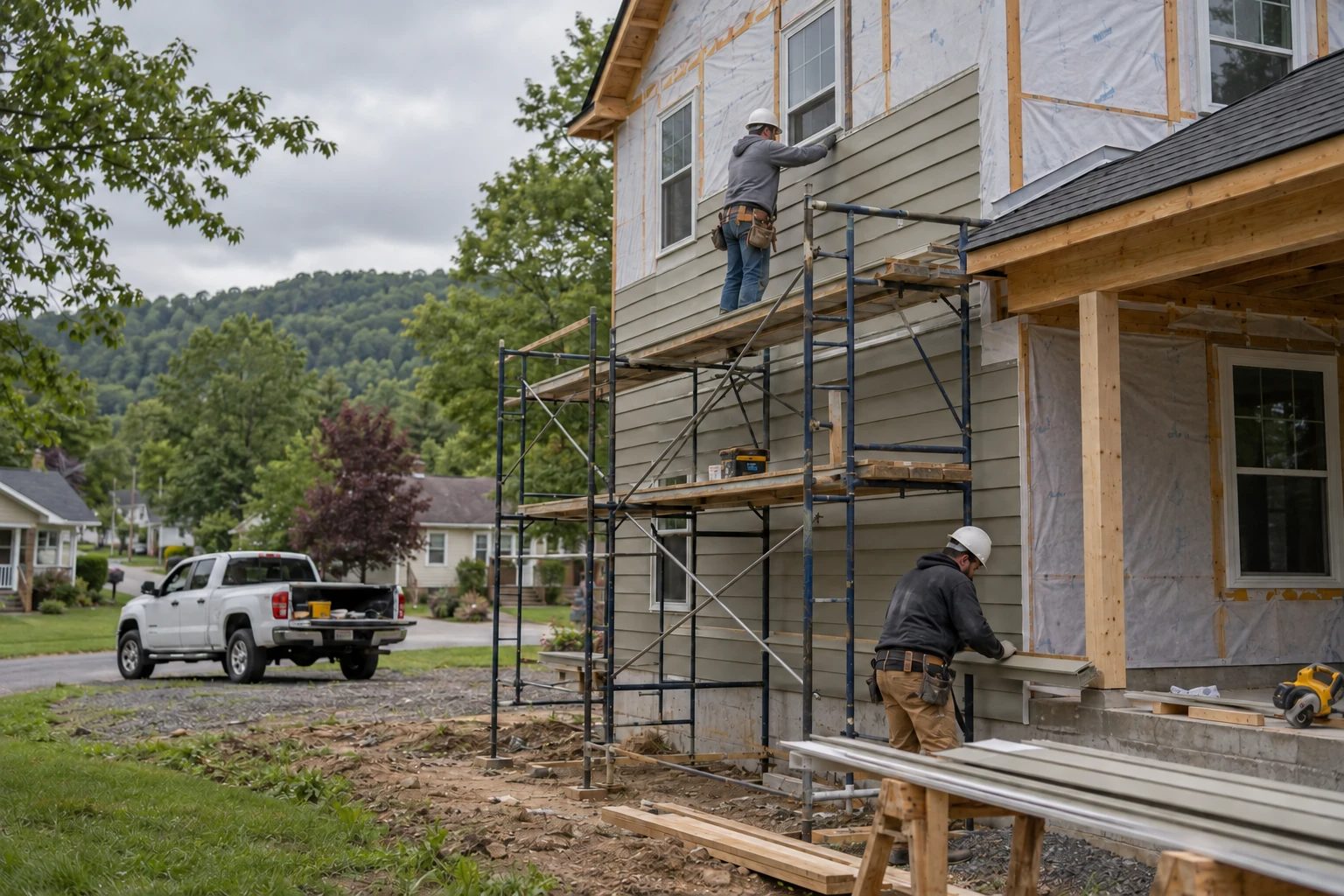
We focus on the relationships between work activities, inspections, materials, and site access.
Cost discussions and change tracking help owners understand the financial impact of project decisions.
Regular updates and clear responsibilities help keep everyone focused on the agreed project goals.
Need a clearer plan for managing construction? Tell us about your project.
Free — no obligations
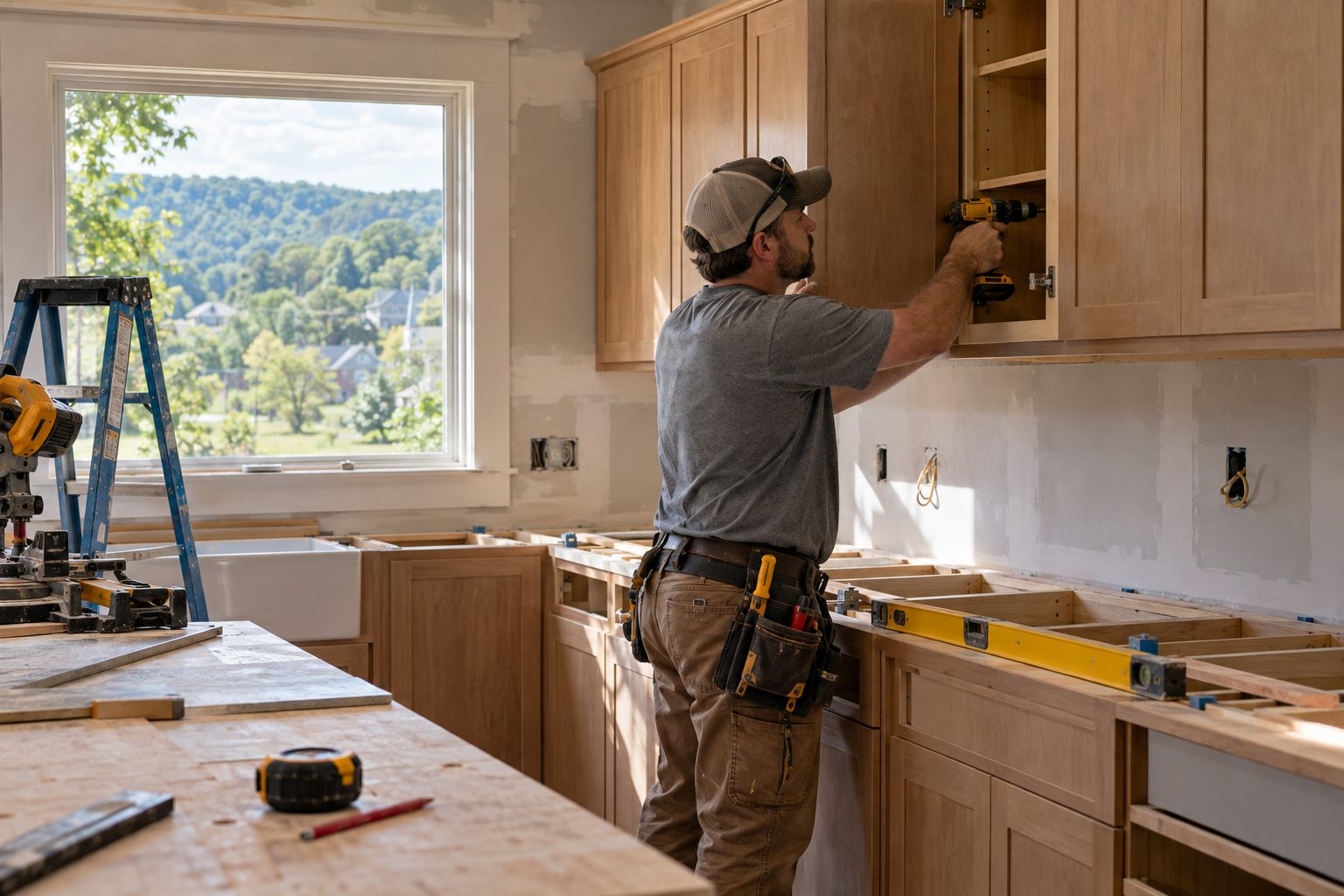
We discuss the construction scope, current planning stage, participants, and owner priorities.
Management duties, communication expectations, and reporting needs are defined.
Major activities, trade dependencies, material needs, and inspection requirements are identified.
Project activities, changes, and relevant concerns are reviewed throughout the work.
Remaining items, required documentation, and final project reviews are organized.